Mulyadi: Strategic Application of Whimsical Typography in Modern Branding
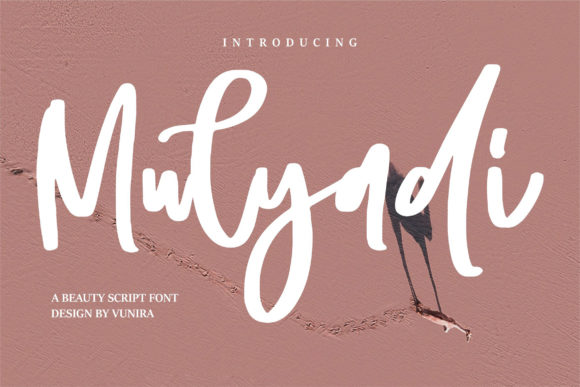
In the crowded landscape of digital communication, typography is rarely just about legibility; it is a primary vehicle for tone, trust, and brand personality. Mulyadi emerges not merely as a typeface, but as a strategic tool for designers and business owners seeking to inject authenticity into their visual narratives. As a modern, whimsical, and thick lettered paint-brushed script, it bridges the gap between professional polish and human touch. Understanding how to deploy Mulyadi effectively requires moving beyond aesthetic preference and considering its role in broader communication goals, customer experience, and long-term brand positioning.
The Psychology of Handwritten Authenticity
Consumers today are increasingly skeptical of overly polished, corporate aesthetics. There is a growing demand for transparency and humanity in brand interactions. This is where the specific characteristics of Mulyadi become valuable. Its authentic handwritten look and feel provide a psychological cue of personal involvement. When a potential client sees a headline or a call-to-action rendered in a thick, brush-stroked script, the subconscious interpretation is often one of directness and warmth.
However, this warmth must be balanced with clarity. Mulyadi is described as having a "thick lettered" structure, which aids in visibility compared to finer, more delicate scripts. This thickness ensures that the font retains impact even at smaller sizes or on busy backgrounds, making it a versatile choice for various media formats. The key decision for any marketer or designer is determining when this level of informality supports the business objective rather than detracting from it.
Strategic Use Cases for Mulyadi
To maximize the return on design investments, one must align typographic choices with specific operational and marketing goals. Mulyadi is not a universal solution; it is a specialized instrument. Below are several contexts where its application yields the highest strategic value.
1. Humanizing Digital Touchpoints
For e-commerce brands, SaaS platforms, or service providers, the user interface can often feel cold and transactional. Using Mulyadi for micro-copy—such as welcome messages, error states, or thank-you notes—can soften the interaction. It transforms a standard system notification into a conversational moment. This subtle shift can improve customer satisfaction scores by making the brand feel more approachable and less like an automated entity.
2. Differentiation in Crowded Markets
In industries dominated by sterile, sans-serif minimalism, a well-placed brush script can create immediate visual distinction. If your competitors all use clean, geometric fonts, introducing Mulyadi in your packaging or social media headers can signal creativity and boldness. This is particularly effective for lifestyle brands, artisanal products, or creative agencies where innovation and personality are key selling points.
3. Enhancing Educational and Coaching Materials
Educators and coaches often struggle to make complex information feel accessible. The whimsical nature of Mulyadi can reduce the perceived difficulty of a subject. Using it for chapter titles, key takeaways, or motivational quotes in course materials can make the content feel more like guidance from a mentor than a lecture from an institution. This supports learning outcomes by lowering anxiety and increasing engagement.
Risks and Considerations in Deployment
While Mulyadi offers significant advantages, its misuse can lead to detrimental outcomes. The primary risk lies in over-application. Script fonts, by their nature, require more cognitive effort to read than sans-serif counterparts. Using Mulyadi for long paragraphs of body text will likely result in reader fatigue and increased bounce rates. It is crucial to reserve this font for headlines, short phrases, or accent elements where its artistic qualities can be appreciated without compromising comprehension.
Another consideration is context appropriateness. For highly regulated industries such as finance, law, or healthcare, the whimsical nature of Mulyadi may undermine perceptions of authority and stability. In these sectors, trust is built on precision and seriousness. Deploying a paint-brushed script in a legal contract or a financial report could be interpreted as unprofessional or careless. Decision-makers must evaluate whether the emotional tone of the font aligns with the gravity of the message being conveyed.
Planning for Consistent Brand Integration
Successful integration of Mulyadi into a brand identity requires a structured approach. Randomly inserting the font into various assets without a style guide leads to visual fragmentation. To ensure long-term consistency, consider the following planning steps:
- Define Hierarchy: Establish clear rules for when Mulyadi is used versus your primary body font. For example, mandate that Mulyadi is only used for H1 and H2 headers, while a clean sans-serif handles all body copy and navigation.
- Test Legibility: Before finalizing designs, test the font across different devices and screen sizes. Ensure that the thick brush strokes do not blur or merge on lower-resolution displays.
- Color Contrast: Because Mulyadi has intricate details, high contrast between the text color and background is essential. Avoid placing it over busy images unless a solid overlay is used to maintain readability.
- Pairing Strategy: Select a complementary secondary font. A neutral, geometric sans-serif often pairs well with whimsical scripts, providing a stable foundation that allows Mulyadi to shine without creating visual chaos.
Operational Efficiency and Design Workflow
From an operational perspective, adopting a versatile font like Mulyadi can streamline design workflows. Its "incredibly versatile style" means it can adapt to various design themes without requiring extensive customization. For small business owners and freelancers who may not have dedicated design teams, having a font that looks professional yet distinctive out of the box reduces the time spent on trial-and-error adjustments.
Furthermore, using a consistent typographic asset across all marketing channels—from email newsletters to social media graphics—reinforces brand recognition. Over time, customers begin to associate the specific look of Mulyadi with your brand’s voice. This association is a valuable intangible asset that contributes to long-term brand equity.
Making the Decision: Is Mulyadi Right for Your Goals?
Before licensing or implementing Mulyadi, conduct a brief audit of your current communication strategy. Ask yourself the following questions:
- Does my brand personality benefit from a more human, approachable tone?
- Am I trying to differentiate myself from competitors who use rigid, corporate aesthetics?
- Do I have a clear plan for limiting the use of script fonts to maintain readability?
- Will this font support the emotional response I want from my audience?
If the answers align with your strategic objectives, then Mulyadi is likely a sound investment. It offers a way to break through the noise of generic design while maintaining a sense of professionalism through its thick, confident strokes.
Long-Term Value and Adaptability
Design trends are cyclical, but the desire for authenticity is enduring. While specific stylistic flourishes may come in and out of fashion, the core appeal of handwritten typography remains rooted in human connection. Mulyadi is designed to be modern, suggesting it has been crafted with contemporary design standards in mind. This ensures that it does not feel dated or overly retro, allowing it to remain relevant as design preferences evolve.
By choosing a font that balances whimsy with structural integrity, you future-proof your brand’s visual identity to some extent. It allows for creativity without sacrificing the clarity needed for effective communication. As your business grows and your messaging becomes more complex, having a reliable, distinctive typographic voice helps maintain coherence across diverse campaigns and platforms.
Conclusion: Intentionality Drives Results
The decision to use Mulyadi should not be taken lightly. It is a powerful tool that, when used intentionally, can enhance brand perception, improve customer engagement, and support broader business goals. However, its effectiveness is entirely dependent on context, hierarchy, and strategic alignment. By understanding the psychology behind handwritten fonts and applying them with discipline, entrepreneurs and creators can leverage Mulyadi to create spectacular, meaningful designs that resonate with their audience on a deeper level.
Ultimately, typography is a form of silent communication. Let Mulyadi speak for your brand with warmth, confidence, and clarity, ensuring that every visual touchpoint contributes to a cohesive and compelling narrative.