Salmah: Elevating Brand Identity with Elegant Handwritten Typography
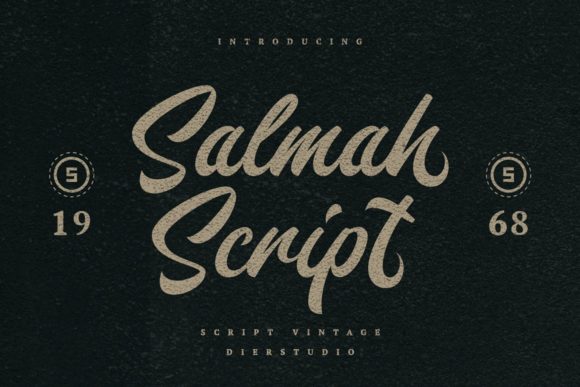
In the crowded digital landscape of modern design, typography serves as the silent ambassador of a brand. It communicates tone, personality, and intent before a single word is read. Among the myriad of typefaces available to designers today, Salmah has emerged as a distinctive choice for those seeking to blend sophistication with approachability. As a beautiful and flowing paint-brushed handwritten font, Salmah offers a unique visual language that bridges the gap between traditional calligraphy and contemporary minimalism. Its classy, elegant, and modern aesthetic makes it an invaluable tool for creators looking to infuse warmth and authenticity into their visual communications.
The Aesthetic Appeal of Paint-Brushed Lettering
The allure of handwritten fonts lies in their inherent humanity. Unlike rigid geometric sans-serifs or formal serifs, a brush script like Salmah carries the subtle imperfections and organic rhythms of human hand movement. This characteristic is crucial in an era where consumers are increasingly drawn to brands that feel personal, authentic, and relatable. Salmah captures the fluidity of ink on paper, providing a texture that feels both luxurious and accessible.
The "paint-brushed" quality refers to the varying stroke widths and tapered ends that mimic the pressure changes of a physical brush. This dynamic range adds depth and dimension to the text, preventing it from appearing flat or sterile. When designers utilize Salmah, they are not just selecting a font; they are choosing a mood. The elegance of the script suggests refinement, while the modern construction ensures it remains relevant and legible in digital formats. This duality allows the typeface to perform exceptionally well across various mediums, from high-resolution print materials to retina-display screens.
Strategic Applications in Branding and Logo Design
One of the most powerful applications of Salmah is in logo design and brand identity systems. A logo is often the first point of contact between a business and its audience, and the typography chosen can significantly influence perception. For industries such as beauty, fashion, wellness, and lifestyle, where aesthetics play a pivotal role, Salmah provides an immediate sense of luxury and care.
Consider a boutique skincare line aiming to convey natural ingredients and gentle efficacy. Using a harsh, industrial font might contradict the brand’s message. However, incorporating Salmah into the logotype can evoke feelings of softness, purity, and artisanal quality. Similarly, for a high-end photography studio, the flowing nature of the font can mirror the artistic creativity and fluid perspective of the photographer’s work. The key to successful implementation lies in balance. Because Salmah is a display font with strong personality, it works best when paired with simpler, more neutral typefaces for body text. This contrast ensures that the brand name stands out without overwhelming the viewer.
Transforming Event Invitations and Stationery
The wedding and event industry relies heavily on typography to set the tone for celebrations. Invitations are tangible keepsakes that guests often preserve, making the choice of font a critical decision for couples and event planners. Salmah is particularly well-suited for wedding invitations, engagement announcements, and save-the-date cards due to its romantic and elegant undertones.
When used for names of the couple or key details such as the date and venue, Salmah adds a layer of formality that feels inviting rather than stiff. Its flowing connections between letters create a sense of continuity and grace, which aligns perfectly with the narrative of union and celebration. Beyond weddings, this font is equally effective for baby showers, anniversary parties, and upscale corporate galas. The versatility of Salmah allows it to adapt to different color palettes and paper textures, whether embossed on thick cardstock or printed in gold foil on minimalist white paper. The result is a cohesive design that feels thoughtful and curated.
Enhancing Social Media and Digital Content
In the realm of social media, where attention spans are short and visual competition is fierce, typography must grab attention instantly. Salmah excels in this environment, particularly for platforms like Instagram, Pinterest, and TikTok, where aesthetics drive engagement. Creators and marketers use Salmah for quote graphics, story highlights, and promotional banners to add a touch of professionalism and style to their feeds.
For instance, a lifestyle blogger might use Salmah to overlay text on images of home decor or travel destinations. The font’s elegance elevates the content, making it shareable and visually appealing. However, readability is paramount in digital spaces. While Salmah is beautiful, it is essential to use it sparingly in digital contexts. Short phrases, headlines, or single words work best. Long paragraphs in a brush script can become difficult to read on small screens. By restricting its use to key messages or headers, designers can maintain clarity while leveraging the font’s emotional impact. Additionally, ensuring sufficient contrast between the text color and the background image is crucial for accessibility and legibility.
Practical Considerations for Designers and Users
While Salmah offers numerous advantages, effective use requires an understanding of typographic principles. One common mistake is overcrowding the design. Because brush scripts have complex shapes and varying heights, they need ample white space to breathe. Crowding Salmah with other elements or placing it too close to borders can diminish its elegance and make it appear cluttered.
Another consideration is kerning and spacing. Handwritten fonts often have built-in ligatures and connections that should not be disrupted. Designers should avoid adjusting letter spacing too aggressively, as this can break the natural flow of the script. Instead, focus on line height and overall layout balance. When pairing Salmah with secondary fonts, choose clean sans-serifs or simple serifs that do not compete for attention. The goal is to let Salmah shine as the focal point while supporting it with functional, readable text.
Licensing and usage rights are also important factors. Whether for commercial client work or personal projects, ensuring that the font license covers the intended use is essential. Many professional fonts offer different tiers of licensing for web, print, and app embedding. Understanding these terms helps avoid legal issues and supports the creators who develop these tools.
The Psychological Impact of Elegant Typography
Typography influences how information is processed and felt. Studies in consumer psychology suggest that elegant, handwritten fonts can evoke feelings of trust, warmth, and exclusivity. When a brand uses a font like Salmah, it signals attention to detail and a commitment to quality. This perception can translate into higher perceived value for products and services.
For educators and researchers studying visual communication, Salmah serves as an excellent example of how form follows function in emotional design. It demonstrates that typography is not merely about conveying words but about shaping the user’s experience. By choosing a font that aligns with the brand’s values, businesses can create a more cohesive and memorable identity. This alignment fosters a deeper connection with the audience, leading to increased loyalty and engagement.
Integrating Salmah into Creative Workflows
For hobbyists and professional designers alike, integrating Salmah into their workflow can streamline the creative process. Many design software programs allow for easy customization of brush fonts, enabling users to adjust opacity, add textures, or apply effects that enhance the painted look. Experimenting with these features can yield unique variations that further distinguish a project.
Moreover, staying updated with design trends is vital. While classic elegance never goes out of style, the way it is applied evolves. Currently, there is a trend towards combining bold, modern layouts with delicate, handwritten accents. Salmah fits perfectly into this trend, offering a counterpoint to stark, minimalist designs. By keeping abreast of these shifts, designers can ensure their use of Salmah remains fresh and impactful.
In conclusion, Salmah is more than just a font; it is a versatile design asset that enhances communication through visual elegance. Its ability to convey sophistication, warmth, and modernity makes it suitable for a wide range of applications, from branding and logos to invitations and social media. By understanding its characteristics and applying it thoughtfully, creators can elevate their designs and connect more deeply with their audiences. Whether you are a seasoned designer or a business owner managing your own branding, exploring the potential of Salmah can open new avenues for creative expression and professional growth.